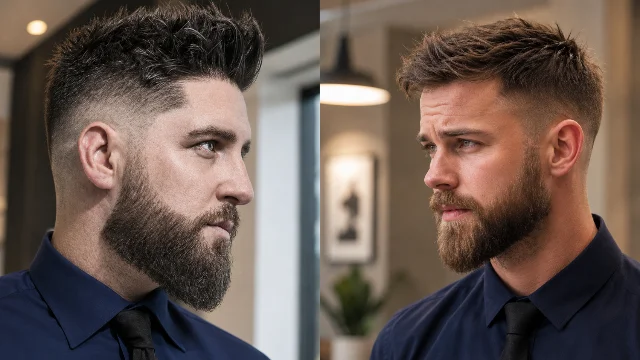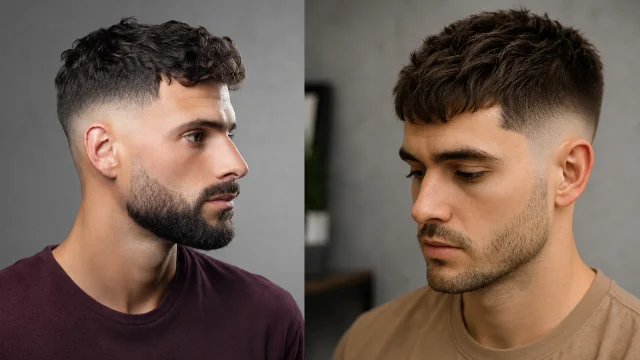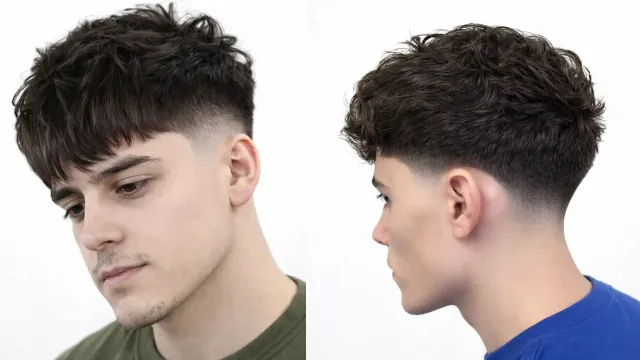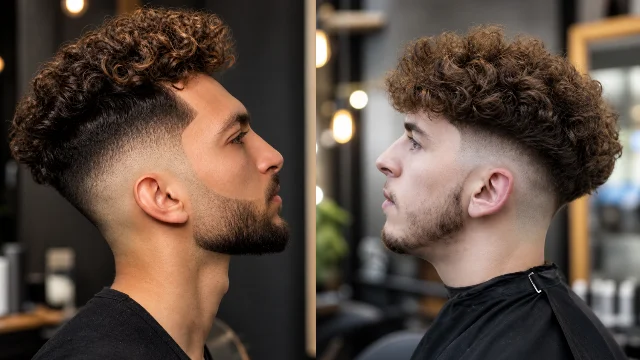
How to Ask Your Barber for a Low Fade Haircut

Getting a great haircut isn’t just about finding a good barber. It’s also about knowing how to talk to them.
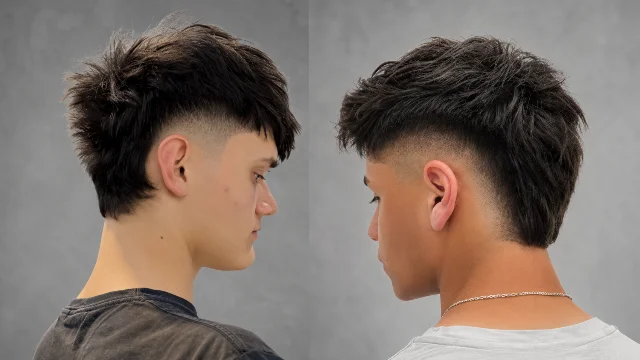
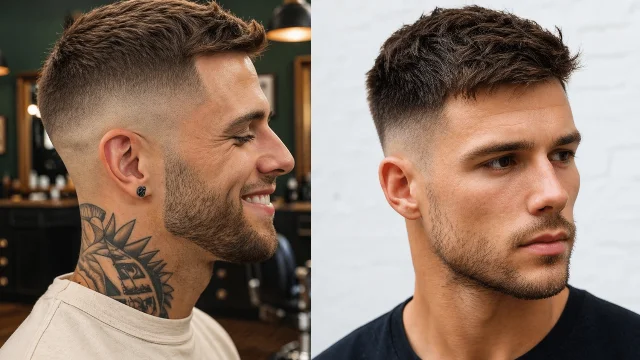
A low fade is one of the most popular haircuts today. It looks clean, sharp, and works for almost every hair type. But here’s the problem. A lot of guys walk into the shop, sit down, and just say “give me a fade.” Then they leave unhappy because it wasn’t what they pictured.
This guide will show you exactly what to say when asking for a Fade Haircut. You’ll learn the right words, the right details, and even example sentences you can copy word for word.
By the end, you’ll know exactly how to ask your barber for a low fade haircut with total confidence, and you’ll never leave the chair disappointed again.
Why You Should Clearly Explain Your Low Fade Haircut to Your Barber
Barbers are skilled. But they can’t read your mind.
Every person has a different idea of what “short” or “low” means. What feels short to you might feel long to someone else. This is why learning how to ask your barber for a low fade haircut the right way matters so much.
When you explain your haircut clearly, a few good things happen:
- You get the exact look you imagined
- Your barber works faster and with more confidence
- You avoid awkward back-and-forth mid-haircut
- You reduce the chance of a bad haircut
Think of it like ordering food. If you just say “give me something good,” you might get a dish you don’t even like. But if you say exactly what you want, you get a meal that fits your taste perfectly.
The same goes for haircuts. The clearer you are, the better the result.
This is especially true for a low fade haircut. It has several small details that change the whole look. So let’s break those down one by one, and cover exactly what you should say to your barber.
What to Tell Your Barber for a Low Fade Haircut
A low fade haircut has a few key parts. Each part needs its own instruction. If you skip one, your barber has to guess. And guessing can lead to a haircut you don’t love.
Here is everything you should mention before the clippers even turn on, so you know exactly how to ask your barber for a low fade haircut without missing a single detail.
Tell Your Barber Where You Want the Low Fade to Start

The word “low” in low fade refers to where the fade begins.
A low fade starts just above the ears and the back of the neck. This is different from a mid fade, which starts around the temple area, or a high fade, which starts much higher on the sides of the head.
Try saying something like:
“I want the fade to start low, right above my ears.”
This one sentence tells your barber the exact starting point. It removes all guesswork.
Choose Your Low Fade Length
Fades are usually described using clipper guard numbers. These numbers tell the barber how much hair to leave.
Lower numbers mean shorter hair. Higher numbers mean longer hair. Here’s a simple breakdown:
- Guard #0 or skin fade: hair is shaved down to the skin
- Guard #1: very short, barely there
- Guard #2: short, but you can still see hair
- Guard #3: slightly longer, soft look
For a low fade haircut, most people choose a skin fade or a #1 at the bottom, blending upward.
You can say:
“Let’s do a skin fade at the bottom, blending into a longer length up top.”
Explain How Short You Want the Sides for Your Low Fade
The sides are separate from the fade area. This is the part right above where the fade blends in.
Some guys want the sides very short and clean. Others want a bit more length for a softer transition.
Be specific here. Try:
“Keep the sides short, but not shaved. I want a little texture left.”
Or if you prefer a cleaner look:
“Make the sides tight and neat, similar to a skin fade feel.”
Tell Your Barber About the Top Length
The top of your head is where most of your hair length shows. This is the part that really shapes your overall style, and it’s a detail people often forget when explaining a low fade haircut.
Do you want a short crop? A medium length you can style? Or something longer you can push back?
Say something like:
“Keep the top about two inches long so I can style it with a comb.”
If you’re not sure about inches, use comparisons instead:
“Keep the top like [a specific length you already know], just clean it up a bit.”
Decide Your Neckline Style
The neckline is often forgotten, but it changes how neat your low fade haircut looks after a few days.
There are two common styles:
- Rounded neckline: soft, natural curve
- Squared neckline: sharp, straight line at the back
If you like a clean, defined look, say:
“I’d like a squared neckline at the back, please.”
If you prefer something softer and more natural, say:
“Keep my neckline rounded, nothing too sharp.”
Decide If You Want a Beard Blend With Your Low Fade
If you have a beard, this step matters a lot.
A beard blend connects your fade smoothly into your beard. Without it, your haircut and beard can look disconnected, almost like two separate styles.
You can ask:
“Can you blend my fade into my beard so it looks like one connected style?”
This small detail makes a huge difference in how polished your final look appears.
Low Fade Haircut Decision Table
Use this quick table to plan exactly how to ask your barber for a low fade haircut before you even sit in the chair.

| Haircut Detail | What to Decide | Example Phrase to Use |
| Fade Start Point | Low, just above ears | “Start the fade low, near my ears.” |
| Fade Length | Skin fade or #1 guard | “Skin fade at the bottom, please.” |
| Side Length | Short vs. slightly textured | “Keep the sides short but not shaved.” |
| Top Length | Short, medium, or long | “Keep the top around two inches.” |
| Neckline Style | Rounded or squared | “I want a squared neckline.” |
| Beard Blend | Yes or no | “Please blend my fade into my beard.” |
| Hair Type Consideration | Straight, wavy, or curly | “My hair is curly, so keep some volume on top.” |
This table works like a checklist. Go through each row before your appointment so nothing gets missed.
Example Sentences for a Low Fade Haircut You Can Tell Your Barber
Sometimes it helps to have full sentences ready to go. Here are a few you can use exactly as written, or tweak to fit your style. These examples cover exactly how to ask your barber for a low fade haircut in different situations.
Simple Low Fade:
“I’d like a low fade please. Start the fade just above my ears, use a skin fade at the bottom, and keep the top about two inches with some texture.”
Low Fade With Beard:
“Can I get a low fade that blends into my beard? Keep the fade starting low, skin fade at the bottom, and make sure the beard connects smoothly with no harsh lines.”
Curly Hair Low Fade:
“I have curly hair, so please keep some volume on top instead of cutting it too flat. Do a low fade on the sides starting near my ears, but don’t make the top too short since my curls need some length to hold shape.”
Feel free to save these on your phone. Showing your barber the text, or reading it out loud, works just as well as memorizing it.
Common Mistakes When Asking Your Barber for a Low Fade Haircut
Even with good intentions, a lot of people make small mistakes that lead to a haircut they don’t love. Here are the most common ones to avoid when figuring out how to ask your barber for a low fade haircut.
❌ Only saying “make it short”
This phrase means something different to everyone. Short to you might mean two inches. Short to your barber might mean half an inch.
Always give a clearer picture, like comparing it to a length you’ve had before or pointing to a photo.
❌ Not showing a reference photo
A photo speaks louder than words. Barbers see hundreds of clients, and a picture instantly clears up any confusion.
Even if the haircut in the photo isn’t exact, it gives your barber a strong starting point.
❌ Not explaining top length
Many people focus only on the fade and forget to mention the top. But the top is what you see the most every day.
Always describe the top length clearly, even if it’s just a rough idea.
❌ Ignoring face shape
Not every low fade looks the same on every face. Round faces, square faces, and oval faces all pair differently with certain fade heights and top lengths.
If you’re not sure what suits your face shape, ask your barber directly. A good barber will guide you honestly.
❌ Choosing wrong fade height
Some people ask for a “fade” without saying low, mid, or high. This can lead to a completely different look than expected.
Always specify “low fade” clearly, and mention where it should start.
How to Maintain Your Low Fade Haircut After the Appointment
A great low fade haircut doesn’t stay perfect forever. Fades grow out fast, especially near the hairline. Here’s how to keep yours looking fresh.
Hair wash routine
Wash your hair two to three times a week. Washing too often can dry out your scalp, while washing too little can make your hair look flat and greasy.
Use a gentle shampoo that matches your hair type. If you have curly hair, look for a moisturizing formula so your curls stay soft and defined.
Styling products
A light pomade or matte clay works well for most low fade styles. If you want shine, choose a pomade. If you want a natural look, choose a matte product.
Apply a small amount to damp hair and style with your fingers or a comb, depending on the look you want.
Barber visit timing
A low fade usually needs a touch-up every two to three weeks. Since the fade area grows out fastest, it can start looking messy before the rest of your hair does.
Booking regular visits keeps your line sharp and your style looking fresh all year, especially with 2026’s trend toward cleaner, more defined cuts.
FAQs About How to Ask Your Barber for a Low Fade Haircut
Conclusion
Asking for a low fade doesn’t have to be stressful. Once you know the right words, the whole process becomes simple and even fun.
Remember to mention where the fade should start, how short you want the sides, your top length, your neckline style, and whether you want a beard blend. Bring a photo if you can, and don’t be afraid to ask your barber questions too.
With this guide, you now know exactly how to ask your barber for a low fade haircut. Walk into your next appointment with confidence, and walk out with a haircut you actually love.
Alex Fade
Alex Fade is a men’s grooming enthusiast and haircut style writer at Fade-Haircut.com. He specializes in modern fade haircut styles including low fade, mid fade, high fade, and skin fade. Through detailed guides and hairstyle inspiration, Alex helps readers discover the perfect haircut that suits their face shape, personality, and lifestyle. His goal is to share the latest barber trends, styling tips, and grooming advice to help men look sharp and confident every day.